Payment Networks and Live Dealer Interactions Across Global Gaming Platforms Open to UK Users
Written by Elena Brooks · Sep 24, 2026

Payment Networks and Live Dealer Interactions Across Global Gaming Platforms Open to UK Users
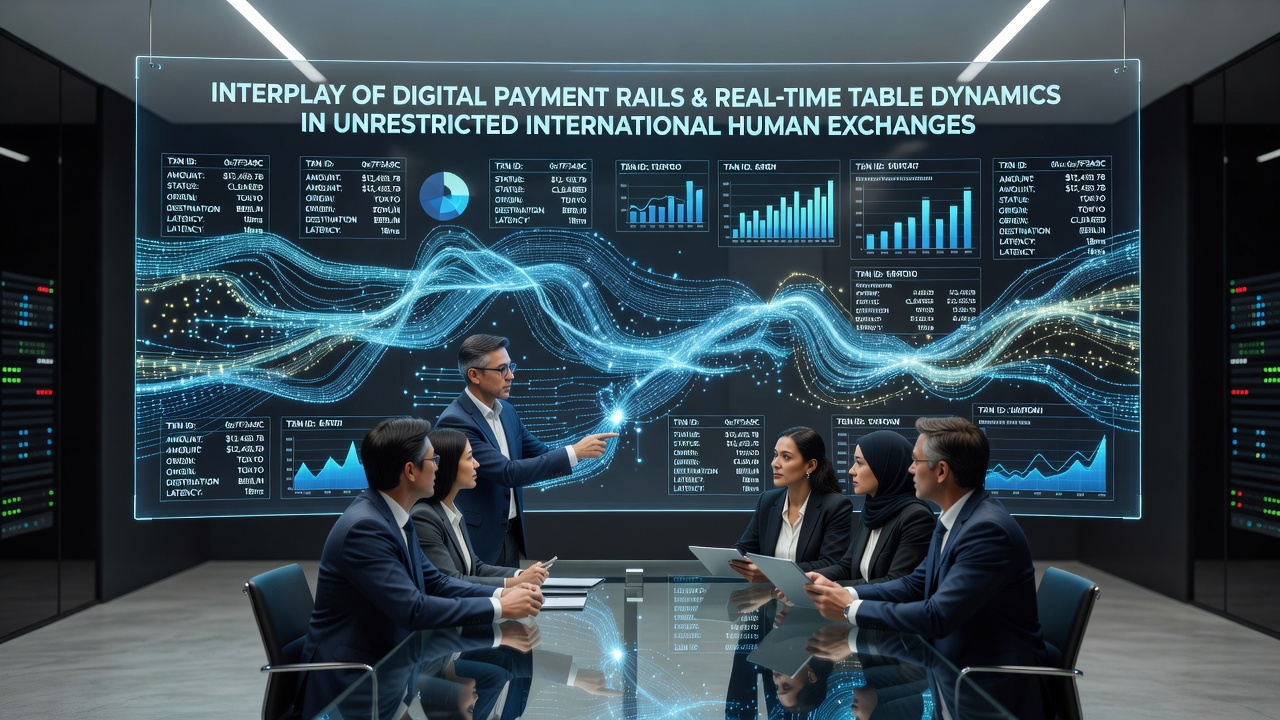
Digital payment rails now integrate directly with live dealer platforms in many international hubs that remain accessible to British participants, and this connection shapes how real-time table games operate across multiple jurisdictions. Payment networks handle deposits and withdrawals through blockchain channels, e-wallets, and instant transfer services, while live tables stream video feeds and accept bets in seconds rather than minutes. Observers note that these systems reduce latency between funding an account and placing wagers on roulette wheels or blackjack hands.
Core Components of Payment Rails in Gaming Contexts
Payment infrastructure relies on protocols that support low-fee transfers and near-instant settlement, and data from regulatory filings in various regions show rising adoption of these methods in cross-border gaming operations. Industry reports indicate that average processing times for deposits dropped below thirty seconds in platforms using certain crypto rails during 2025, whereas traditional card networks still averaged two to five minutes. This speed matters because live dealer sessions run continuously, and players who top up mid-hand avoid missing betting windows. Experts tracking transaction volumes point to increased use of stablecoins in these environments since they maintain value stability while moving across borders without currency conversion delays.
Real-Time Table Mechanics and Funding Integration
Live dealer tables operate through software that synchronizes video streams, bet acceptance, and result verification, and when payment rails connect seamlessly the experience flows without interruption for participants in unrestricted hubs. A player can receive a bonus credit, convert it via an integrated wallet, and immediately wager on a baccarat hand because the backend systems communicate in real time. Researchers studying platform architecture have documented cases where API links between payment processors and game servers cut decision-to-action cycles by more than half compared with older batch processing methods. In September 2026 several platforms plan to test enhanced protocols that further compress confirmation times during peak evening hours in European time zones.
Regulatory Landscapes Outside UK Oversight
International hubs operate under licensing frameworks from bodies such as the Nevada Gaming Control Board and the Malta Gaming Authority, and these frameworks set standards for financial controls that influence how platforms serve British users. Data compiled by the Australian Communications and Media Authority reveals patterns in payment method usage across licensed operators, showing preference shifts toward digital options that support faster reconciliation. British participants often select platforms licensed in these jurisdictions because the rules permit broader game varieties and payment flexibility than domestic restrictions allow. Transaction monitoring requirements differ by license type, yet many hubs maintain audit trails that track both player activity and fund movements in parallel with table results.
Technical Synchronization Between Rails and Tables
Developers build middleware layers that translate payment confirmations into game credits without manual intervention, and this automation allows continuous play across multiple tables simultaneously. Studies of platform performance metrics indicate that sites employing unified ledgers experience fewer session drops during high-traffic periods because balance updates occur within the same data stream as game events. Observers tracking user behavior note that participants in unrestricted environments frequently switch between live blackjack, poker variants, and roulette while maintaining active payment sessions that adjust credit lines on the fly. The interplay becomes visible when a large win triggers an automatic withdrawal request that processes while the next round begins.
Future Developments Anticipated by Industry Analysts
Analysts project continued refinement of these integrated systems through 2026 and beyond, and upcoming protocol updates aim to support even more granular transaction logging alongside live game data. Platforms in various hubs have begun experimenting with multi-currency wallets that settle bets in the denomination chosen by the player, reducing friction for British users who prefer pounds or alternative digital assets. Evidence from transaction logs shared in trade publications suggests that such flexibility correlates with longer average session durations in live dealer sections. Regulatory consultations scheduled in multiple regions during late 2026 may introduce new reporting standards that affect how these rails and tables exchange information.
Conclusion
The connection between digital payment rails and real-time table dynamics continues to evolve in international hubs that accept British participants, driven by technical integrations and licensing requirements from diverse global authorities. Payment speed directly influences how live dealer sessions unfold, while table software in turn shapes demand for more responsive funding options. Data from multiple regulatory sources and platform studies document these patterns without indicating any single dominant approach. As September 2026 approaches, further protocol tests and reporting changes may clarify additional aspects of this interplay across the sector.