Interlinked Gaming Platforms and Emerging Technologies: How Crypto, Live Tables, and Mobile Apps Reshape Access for Players Beyond Traditional Boundaries
Written by Quinn Baumann · Aug 4, 2026
Interlinked Gaming Platforms and Emerging Technologies: How Crypto, Live Tables, and Mobile Apps Reshape Access for Players Beyond Traditional Boundaries
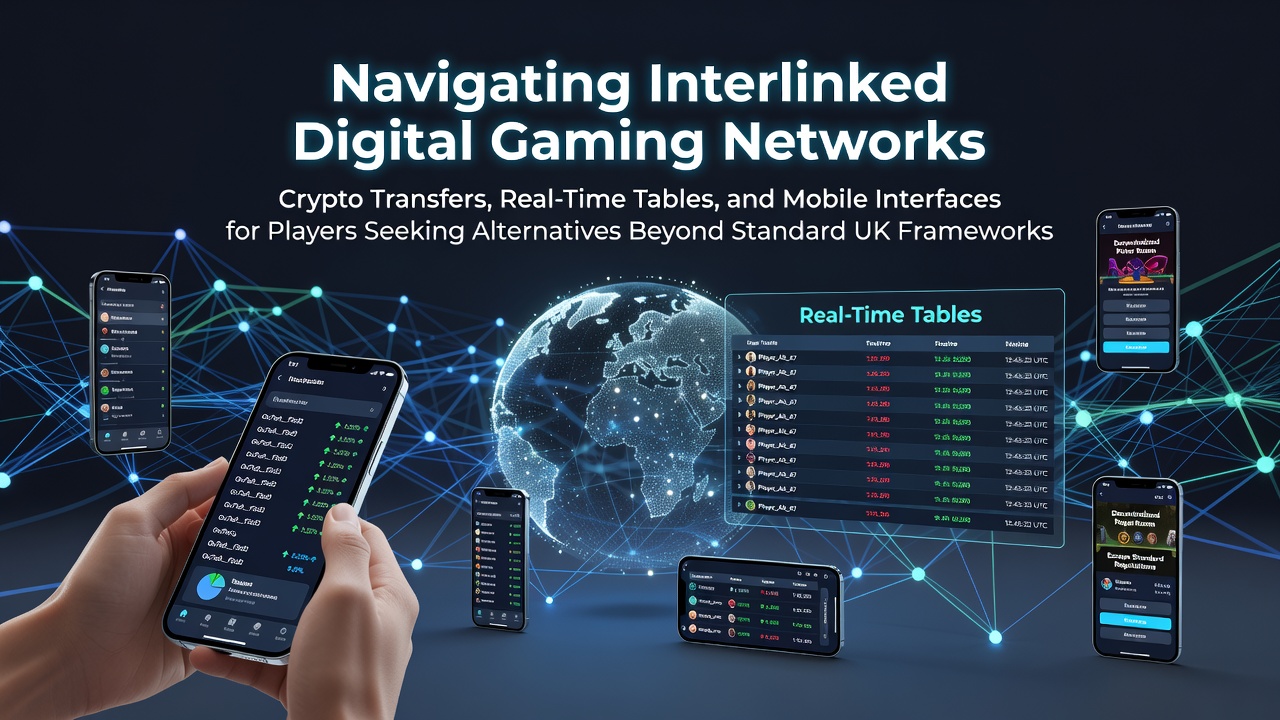
Digital gaming networks have expanded through interconnected platforms that link multiple casino operators via shared systems for bonuses, payments, and game access, allowing players to move between sites while maintaining account features across different jurisdictions. These networks often rely on cryptocurrency transfers for deposits and withdrawals, with Bitcoin and Ethereum transactions processed through blockchain networks that record entries in seconds rather than days, and operators integrate wallets directly into their interfaces to support instant conversions between digital assets and gaming credits.
Real-time tables operate via streaming technology that connects players to live dealers in studios located in various regions, where multiple cameras capture card shuffles, wheel spins, and chip placements while software overlays display bets and results in synchronization with the video feed. Data from industry reports indicate that these live dealer segments have grown as operators add more game variants such as blackjack variants with side bets and roulette wheels with additional betting options, and networks facilitate seamless switches between tables hosted on different sites without requiring separate logins in many cases.
Cryptocurrency Integration Across Networked Sites
Crypto transfers function as the primary funding mechanism in these interlinked systems because blockchain confirmations bypass traditional banking delays, and players can initiate deposits from personal wallets that support multiple coins including stablecoins pegged to fiat values for reduced volatility during sessions. Observers note that withdrawal times shorten when platforms use automated smart contracts to verify balances and release funds, with some networks reporting average processing periods under thirty minutes according to transaction logs shared in operator transparency statements. Studies from research institutions tracking payment methods show increased adoption of these digital currencies in markets where players seek options outside standard regulatory frameworks, and figures reveal that transaction volumes in gaming-related crypto activity rose steadily through mid-2026.
Live Dealer Dynamics in Connected Environments
Live dealer experiences connect through shared content delivery networks that reduce latency for players accessing tables from different operators, and real-time interactions occur as dealers respond to chat messages while software manages bet placements across linked accounts. Those who have examined these setups find that networks allow bonus funds earned on one site to transfer as playable credits to another platform within the same ecosystem, and this linkage supports extended play sessions that move between live blackjack rooms and roulette wheels hosted under separate licenses. Industry organizations such as the American Gaming Association have documented how live streaming infrastructure supports cross-border access, and data from their analyses highlight the role of low-latency connections in maintaining game integrity during peak hours.
Mobile Interfaces and Accessibility Features
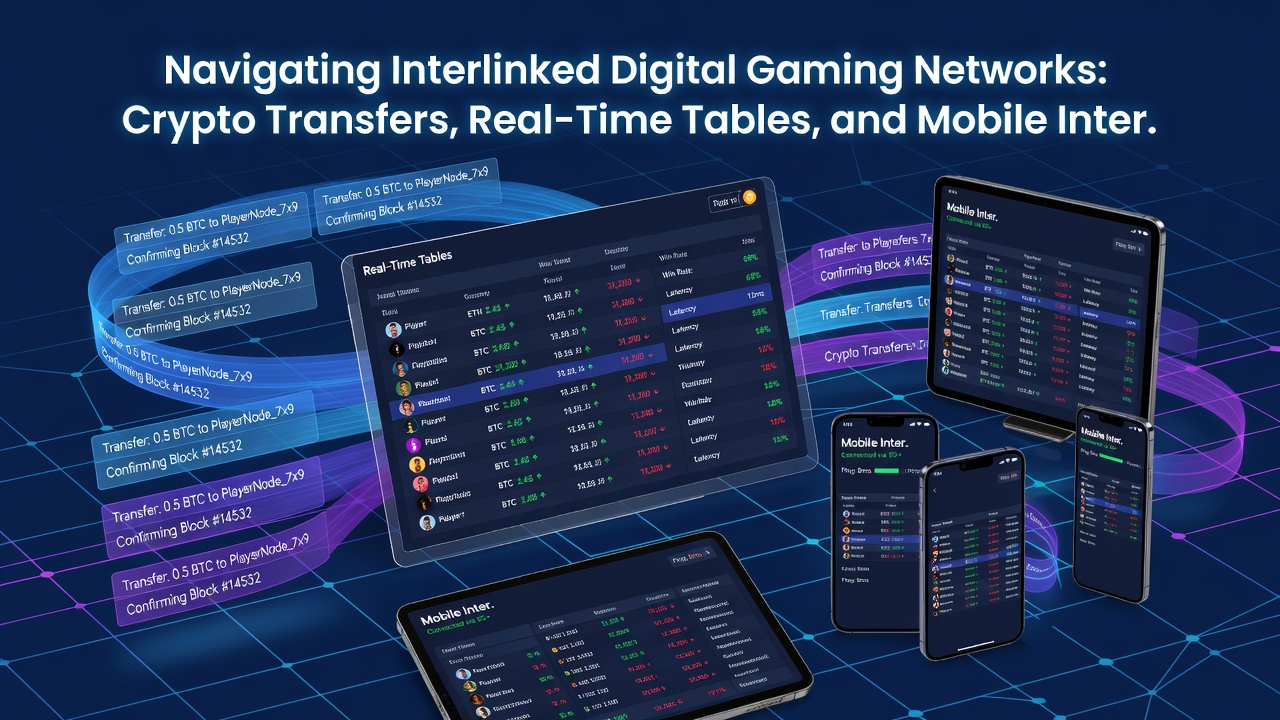
Mobile applications serve as the entry point for many users navigating these networks, with apps optimized for both iOS and Android devices that include built-in wallet connections, push notifications for table availability, and touch-optimized controls for placing bets during live streams. Developers design these interfaces to handle account syncing across sister sites, which means a player who registers on one platform can access the same balance and bonus history on linked operators without repeating verification steps. Research indicates that mobile gaming accounts for a growing share of overall activity in these environments, and developers continue to refine features such as biometric login and one-tap crypto conversions to streamline the process for users on the move.
August 2026 saw several platform updates roll out across major networks, including enhanced mobile compatibility for newer device models and expanded support for additional cryptocurrencies, while operators adjusted their live dealer schedules to accommodate different time zones for international participants. These changes reflect ongoing technical refinements that keep pace with evolving player hardware and connectivity standards.
Network Linkages and Player Movement Patterns
Interlinked structures often emerge when operators establish sister site relationships that share backend systems for player databases, promotional tools, and payment processors, which creates pathways for users to explore multiple environments while retaining continuity in their gaming history. Experts have observed that such connections reduce friction during transitions between sites, and this setup proves useful for those seeking variety in game selections or bonus structures without starting fresh on each platform. According to reports from academic sources examining digital entertainment trends, these networks operate under diverse licensing regimes that differ from conventional UK frameworks, and players utilize them to access features like instant crypto exits and extended live table hours.
Payment processing within these systems incorporates multiple layers of verification that balance speed with security protocols, and operators maintain records of blockchain transactions to comply with varying international standards. One case study from a European research paper detailed how a network of five interconnected platforms handled over 100,000 crypto transactions monthly, with mobile apps serving as the dominant access method for more than seventy percent of users.
Conclusion
The combination of crypto transfers, real-time tables, and mobile interfaces continues to define how players engage with interlinked digital gaming networks that extend beyond standard UK frameworks. These elements interconnect through shared technologies and operational linkages that support fluid movement between platforms while maintaining consistent access to live dealer content and digital wallet functions. As developments unfold, the infrastructure supporting these networks adapts to new device capabilities and transaction methods, providing a factual picture of current industry practices based on available reports and transaction data.