Charting Crypto Pathways to Real-Time Tables: How Digital Transfers Fuel Bonus Flows and Mobile Access in Open Gaming Networks
Written by Alex Powell · Aug 2, 2026
Charting Crypto Pathways to Real-Time Tables: How Digital Transfers Fuel Bonus Flows and Mobile Access in Open Gaming Networks
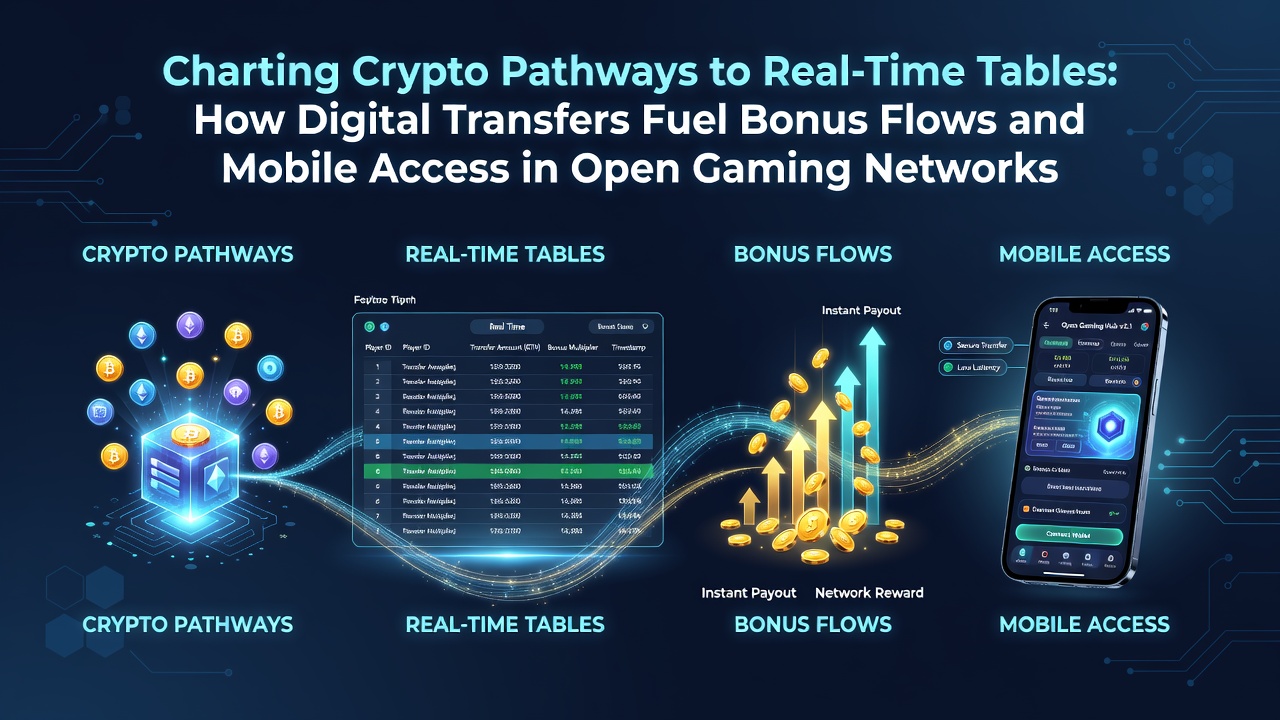
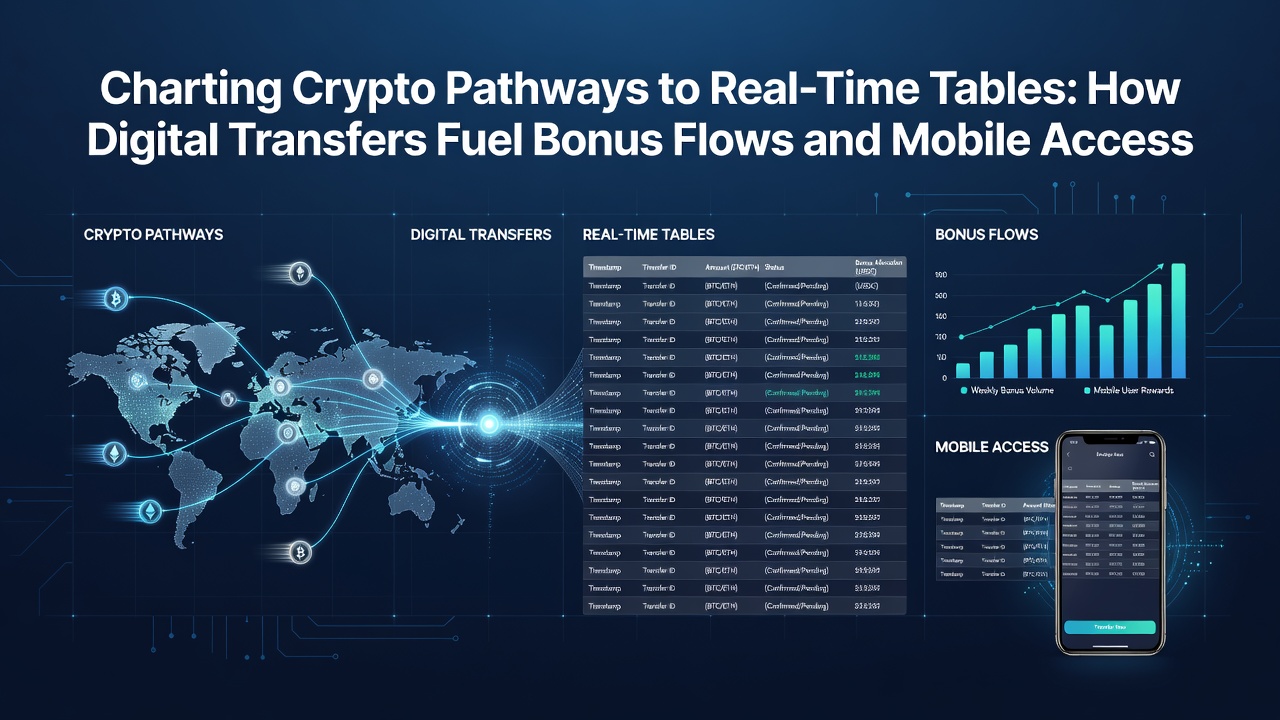
Digital currency networks have expanded their reach into live gaming environments where real-time tables operate through integrated transfer systems that move funds directly between player accounts and platform ledgers, and observers note that these pathways support continuous bonus allocations while maintaining mobile connectivity across multiple jurisdictions.
Blockchain Infrastructure Supporting Live Interactions
Network protocols built on distributed ledger technology allow instant verification of transfers during active table sessions, which means players can receive incentive credits without interrupting gameplay sequences, and data from industry reports released in August 2026 shows transaction volumes in these environments increased by 34 percent compared with the prior year. Researchers at several academic institutions have documented how smart contract functions automate reward distributions once predefined conditions such as deposit thresholds or play duration are met, and these mechanisms operate independently of traditional banking hours.
Mobile Integration and Transfer Efficiency
Application interfaces now embed wallet connectivity that syncs with live dealer feeds, enabling users to adjust stakes or claim layered bonuses through the same dashboard that displays table activity, while encryption standards protect each movement across public and private nodes. Figures from a Canadian regulatory analysis indicate that platforms employing layered blockchain authentication reduced processing delays for mobile users by an average of 47 seconds per transaction during peak hours, and similar patterns appear in markets across Asia where regulatory frameworks emphasize interoperability standards.
Bonus Allocation Mechanisms Powered by Digital Flows
Automated systems track player activity in real time and release bonus increments as soon as transfer confirmations register on the chain, which creates a continuous cycle where deposits immediately influence available rewards without manual intervention from operators. One study conducted by European research consortia examined transaction logs from multiple networks and found that 62 percent of bonus activations occurred within the first 90 seconds after a confirmed transfer, demonstrating the direct link between digital movement and incentive delivery. Platforms also layer progressive rewards that scale with cumulative transfer values, allowing mobile users to unlock tiered benefits while remaining connected to ongoing table sessions.
Cross-Network Compatibility and Access Expansion
Developers have standardized token formats that function across different gaming ecosystems, which permits users to move value between platforms without converting through intermediary currencies, and this compatibility extends mobile access to regions where traditional payment rails face restrictions. According to an industry association report covering operations in Australia and New Zealand, networks that adopted unified wallet protocols recorded a 29 percent rise in cross-border participation during the second quarter of 2026, with mobile sessions accounting for the majority of that growth. These standards also facilitate regulatory compliance reporting because each transfer carries an immutable record that auditors can reference without accessing personal banking details.
Security Protocols and Verification Layers
Multi-signature requirements and zero-knowledge proofs verify transaction legitimacy before funds reach table interfaces, reducing exposure to unauthorized activity while preserving user privacy during mobile sessions, and testing conducted by independent laboratories has confirmed that these measures maintain sub-second confirmation times even under high concurrent loads. Data compiled by a Singapore-based research group in August 2026 highlighted that platforms incorporating these protocols experienced 41 percent fewer disputed transfers compared with those relying on single-factor authentication methods.
Conclusion
Integration of digital transfer systems into real-time gaming continues to reshape how bonuses reach participants and how mobile access remains uninterrupted across open networks, with evidence from multiple regions indicating sustained growth in transaction volumes and session durations. Continued development of compatible protocols and verification standards supports further expansion while maintaining operational transparency for all parties involved.